
Dilijan · Armenia · June 1–3, 2026
Central Bank of Armenia Reinventing Bretton Woods Committee

Can Nations
Agree?

Macroeconomic policy
in a non cooperative world
June 1–3, 2026
Dilijan, Armenia
Hosted by the Central Bank of Armenia in partnership with the Reinventing Bretton Woods Committee
Background

Against this backdrop, the central question first posed by Professor Eichengreen remains: Can nations agree?

In his influential book Can Nations Agree?, economic historian Barry Eichengreen examined the political and institutional foundations of international cooperation, tracing how nations have—at moments of crisis—negotiated, compromised, and built enduring frameworks for shared stability and growth. Today, that question resonates with renewed urgency.

The international governance system is undergoing a far‑reaching and systemic transition. Longstanding challenges—such as high public debt, the energy transition, the climate crisis, demographic aging, and trade tensions—are evolving in new and complex ways. Meanwhile, breakthrough advances in technologies such as artificial intelligence are driving new waves of productivity, while raising difficult questions of equity, regulation, and security. At the same time, these developments generate significant uncertainty about current and future economic dynamics, posing serious challenges for both economic agents and policymakers.

“Just as collective action is most needed, divisions—geopolitical, economic, and technological—threaten to erode cooperation.”

These forces are reshaping the global economy and financial architecture. Many central banks and policy institutions have already initiated comprehensive reviews of their policy frameworks to account for these developments and strengthen their resilience in a shock‑prone world. Yet many of these challenges call for collective action to build a mutually resilient foundation for shared stability and long‑term growth. And just as collective action is most needed, divisions—geopolitical, economic, and technological—threaten to erode cooperation.

Key Themes and Objectives

The two‑day program will feature:

— I

Plenary sessions

With high‑level perspectives on systemic global challenges.

— II

Thematic panels

On monetary and fiscal policy, global finance, trade, and technology.

— III

Interactive dialogues

Designed to generate consensus and foster practical partnerships.

Confirmed Keynote Lectures By

Three confirmed keynote lecturers.

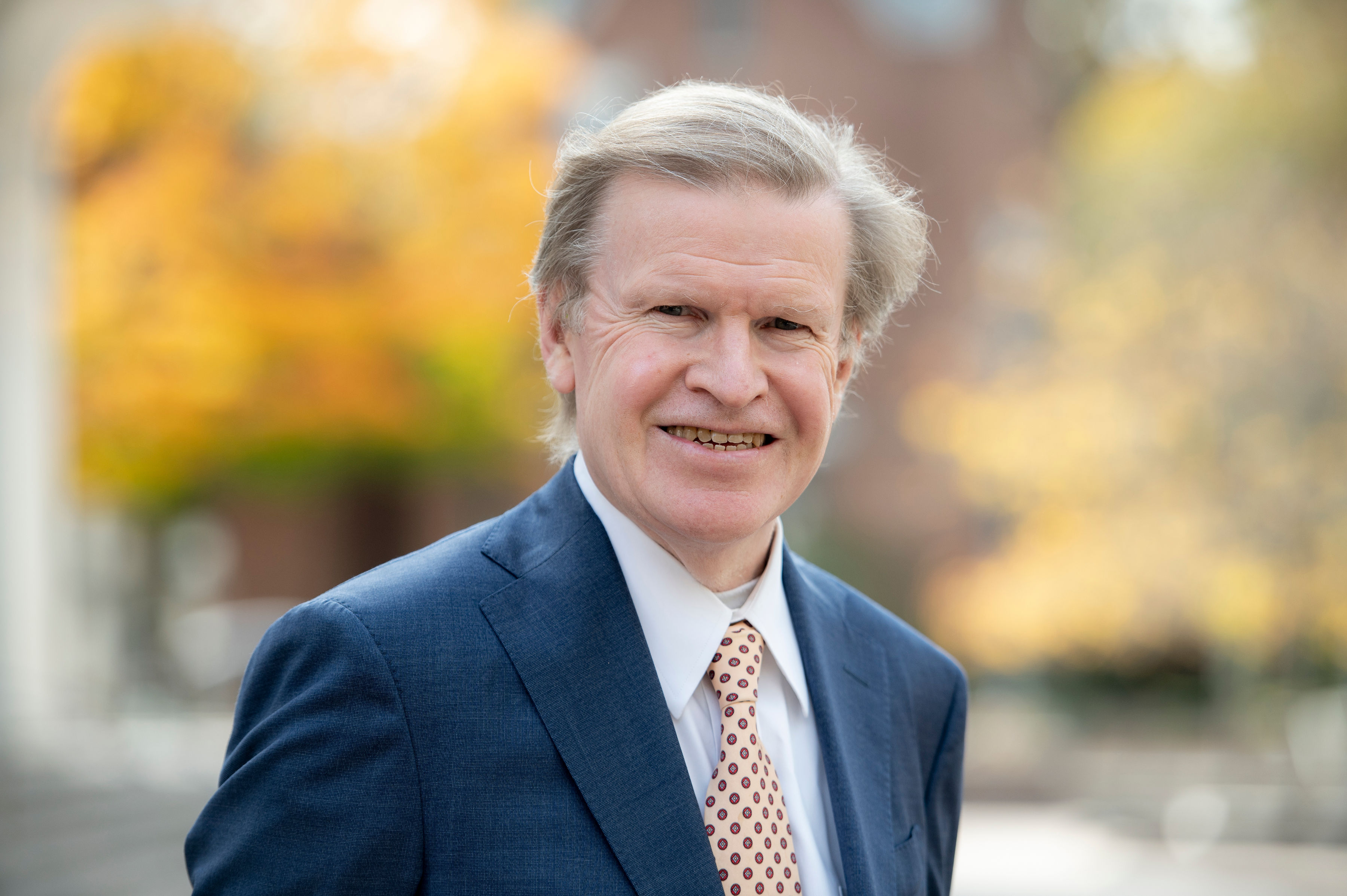
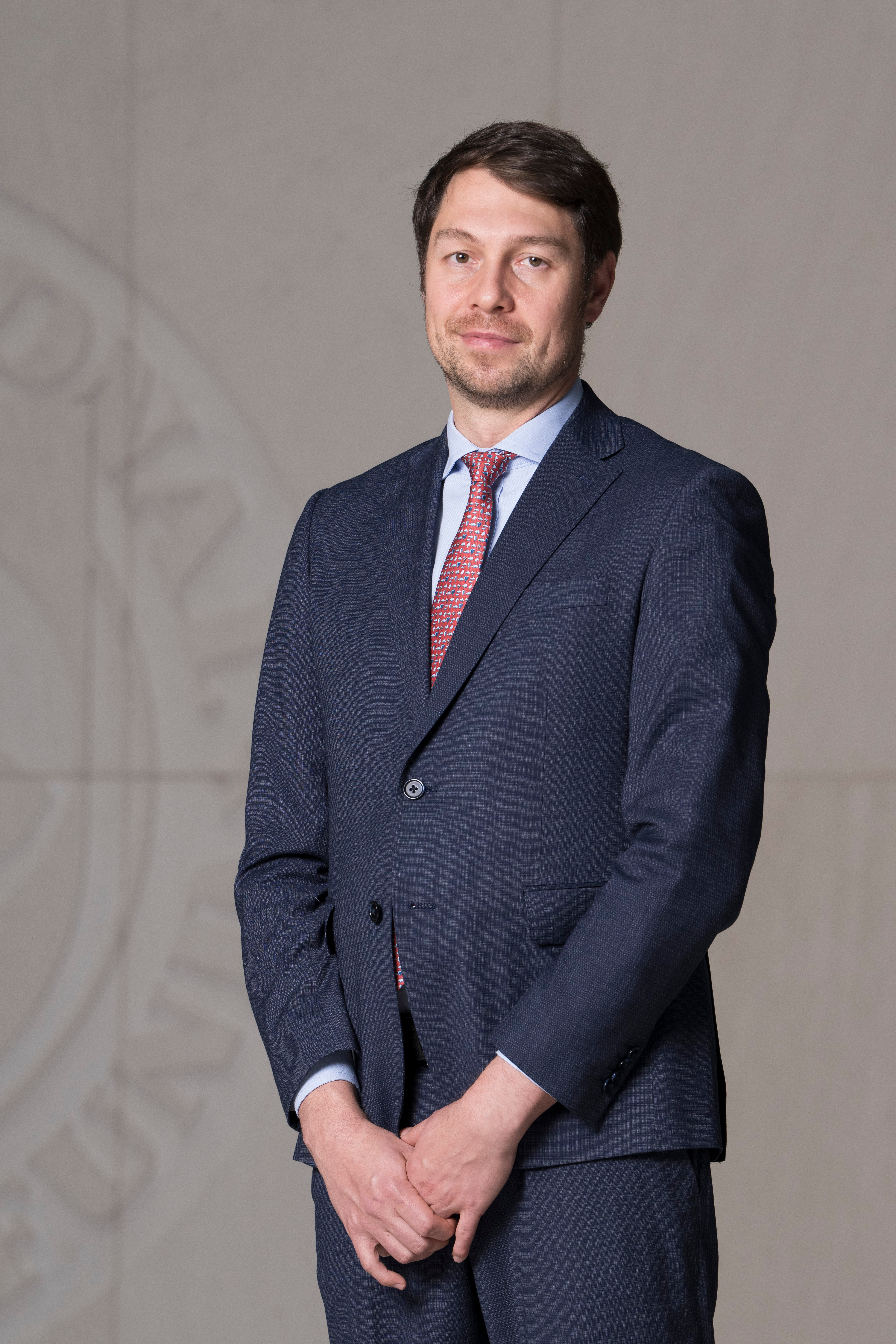
Barry Eichengreen
Keynote · June 3

Barry Eichengreen

Professor of Economics and Political Science, University of California at Berkeley
“The International Monetary and Payment System in a New World”
Read biography

Barry Eichengreen is George C. Pardee and Helen N. Pardee Chair and Distinguished Professor of Economics and Professor of Political Science at the University of California, Berkeley. He is a Research Associate of the National Bureau of Economic Research and Research Fellow of the Centre for Economic Policy Research. In 1997–98 he was Senior Policy Advisor at the International Monetary Fund.

Professor Eichengreen is a fellow of the American Academy of Arts and Sciences (class of 1997). He is a distinguished fellow of the American Economic Association (class of 2022), a corresponding fellow of the British Academy (class of 2022), a corresponding member of the Lisbon Academy of Sciences (class of 2025), and a Life Fellow of the Cliometric Society (class of 2013). He has held Guggenheim and Fulbright Fellowships and been a fellow of the Center for Advanced Study in the Behavioral Sciences (Palo Alto) and the Institute for Advanced Study (Berlin). For 15 years from 2004 he served as convener of the Bellagio Group of academics and officials. He is a regular monthly columnist for Project Syndicate.

Professor Eichengreen has been awarded the Economic History Association's Jonathan R.T. Hughes Prize for Excellence in Teaching and the University of California at Berkeley Social Science Division's Distinguished Teaching Award. He is the recipient of a doctor honoris causa from the American University in Paris, and was the 2010 recipient of the Schumpeter Prize from the International Schumpeter Society and the 2022 recipient of the Nassim Habif Prize for Contributions to Science and Industry. He was named one of Foreign Policy Magazine's 100 Leading Global Thinkers in 2011. He is a past president of the Economic History Association (2010–11).
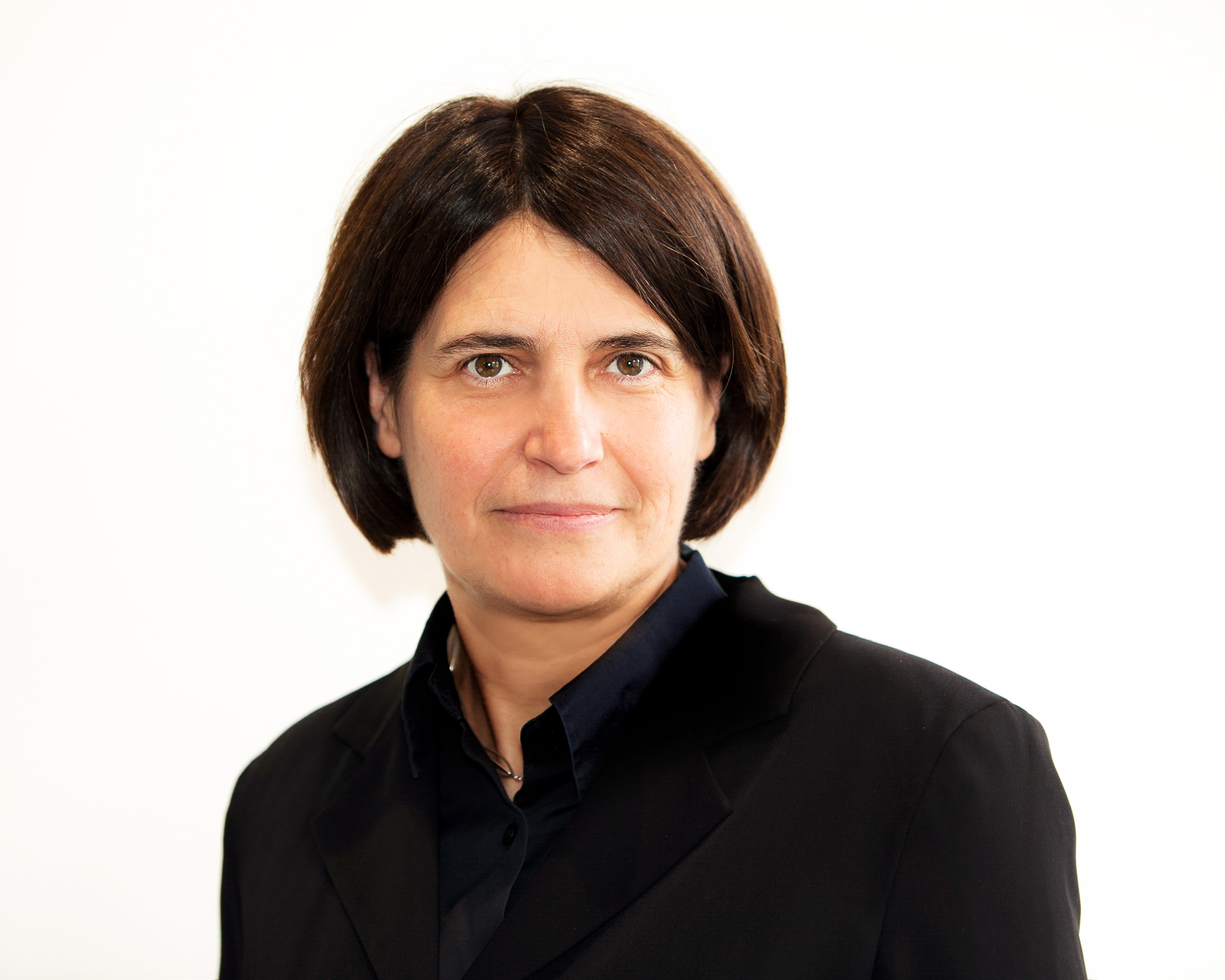

Hélène Rey
Keynote · June 2

Hélène Rey

Economic Advisor and Head of Monetary and Economic Department, BIS
“Global Imbalances”
Read biography

Hélène Rey, O.B.E., F.B.A. is Lord Raj Bagri Professor of Economics at London Business School. Formerly, she was Professor of Economics and International Affairs at Princeton University. She introduced the idea of a global financial cycle, studied the exorbitant privilege of the US dollar and the organization of the International Monetary System. She is a member of the Bellagio Group and of the Group of Thirty. She was a member of the French Financial Policy Committee between 2014 and 2024. She was President of the European Economic Association. She is in charge of the G7 task force on Global Imbalances.

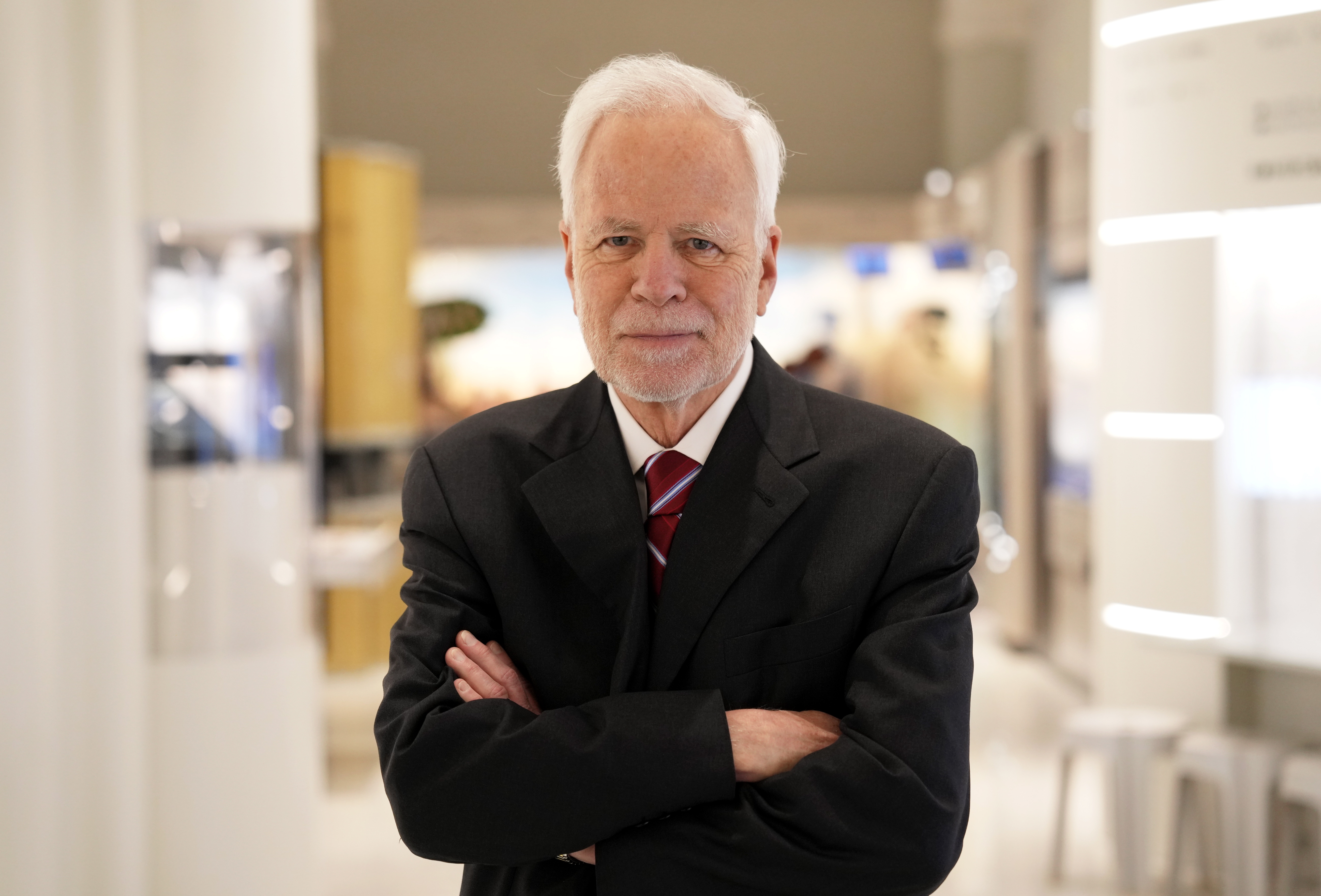
Kenneth Rogoff
Virtual
Closing Keynote · June 2

Kenneth Rogoff

Professor of Economics, Harvard University
“Our Dollar, Your Problem”
Read biography

Kenneth Rogoff is Boas Professor of Economics at Harvard University, and former chief economist at the IMF. His influential 2009 book with Carmen Reinhart, This Time Is Different: Eight Centuries of Financial Folly, shows the remarkable quantitative similarities across time and countries in the roots and aftermath of debt and financial crises. Rogoff is also known for his pioneering work on central bank independence, and on exchange rates. His monthly syndicated column on global economic issues is published in over 50 countries.

His 2025 Our Dollar, Your Problem: An Insider's View of Seven Turbulent Decades of Global Finance explores the post-war rise of the dollar, the challenges ahead from crypto and the Chinese yuan, and argues that the period of reliably low interest rates, inflation and exchange rate volatility has likely come to an end. His other notable books include the seminal Foundations of International Macroeconomics (1996, with Maurice Obstfeld), The Curse of Cash (2016), and Sovereign Debt: A Guide for Economists and Practitioners (2019).

Rogoff is an elected member of the National Academy of Sciences and the American Academy of Arts and Sciences. He has long ranked among the top dozen most cited economists, and is an international grandmaster of chess.

Agenda

June 1 – 3, 2026 · Dilijan, Armenia.

June 1, 2026
Day One
19:00
Reception
June 2, 2026
Day Two
Macroeconomic Policy in an Uncertain and Shock‑Prone World
07:30 – 08:30
Breakfast
09:00 – 09:10
OpeningWelcoming Remarks
  • Martin Galstyan
    Governor, Central Bank of Armenia

    Martin Galstyan is the Governor of the Central Bank of Armenia from June 13, 2020. Previously, he served as a Board Member (2018–2020) and Director of the Dilijan Training and Research Center (2015–2018). He began his career at the Central Bank in 1998 and held several key positions, including Head of the Statistics Department, International Reserves Management Division and the Economic Statistics Development Division. He holds a Candidate of Economic Sciences degree from Yerevan State University and a Master of Public Administration from Harvard Kennedy School, and he is the author of numerous publications in economics and banking policy.

  • Marc Uzan
    Director, RBWC

    Marc Uzan is the Executive Director and founder of the Reinventing Bretton Woods Committee, a non-profit organization established in 1994 focused on international financial architecture and global economic governance, and has organized over 250 conferences and seminars worldwide.

    He has edited several books on international finance, including Regional Integration in Central Asia (2024), The New Kazakhstan (2023), Bretton Woods: The Next 70 Years (2015), and The Ten Years After (2018). He has also authored academic papers and written extensively on economics and finance in the international press.

    Mr. Uzan holds a Master’s degree in International Economics and Finance from Université Paris Dauphine-PSL. He has been a visiting scholar at the University of California, Berkeley and a visiting fellow at Harvard University.

09:10 – 09:25
KeynoteWelcoming Keynote
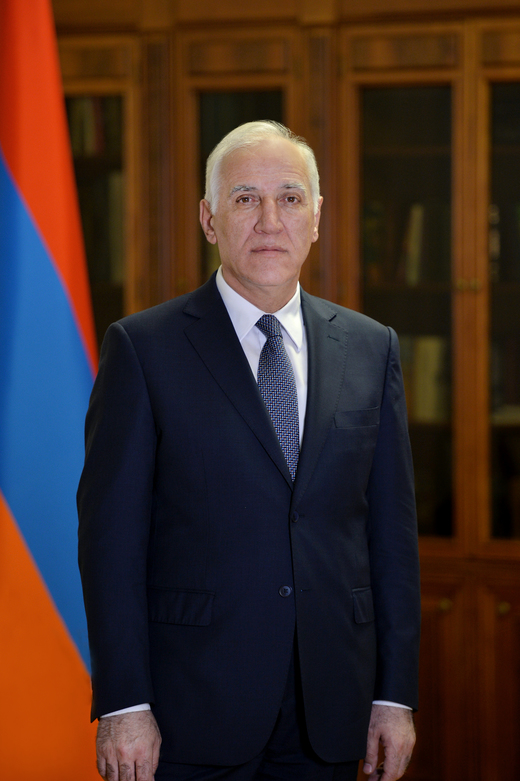
  • Vahagn Khachaturyan
    President of the Republic of Armenia

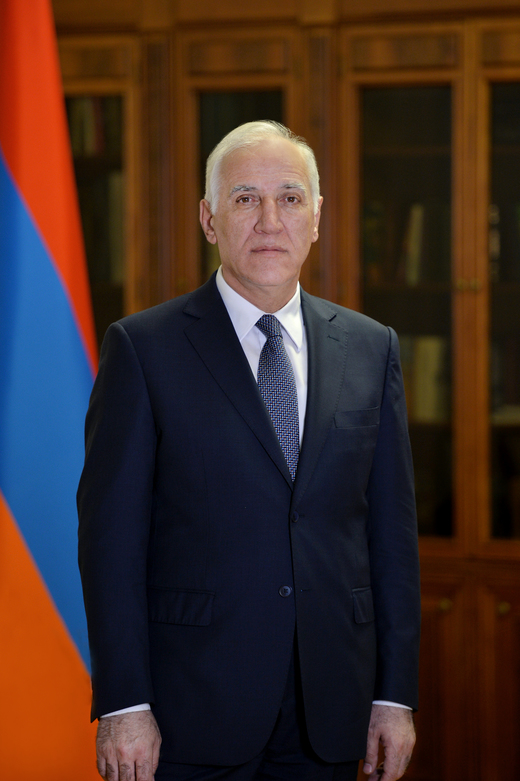
    Vahagn Khachaturyan is the President of the Republic of Armenia since 2022.

    He graduated from the Yerevan Institute of National Economy with a degree in economics and began his professional career as an economist, subsequently holding senior positions in both industry and public administration.

    In the early 1990s, he served as Mayor of Yerevan and later was elected to the National Assembly of Armenia, where he contributed extensively to financial and budgetary policy matters.

    He subsequently served as Adviser to the President of Armenia and took part in a range of political and economic initiatives aimed at advancing national development. In 2021, he was appointed Minister of High-Tech Industry of the Republic of Armenia, prior to his election as President of the Republic of Armenia.

09:30 – 10:30
Keynote LectureHélène Rey
Economic Advisor and Head of Monetary and Economic Department, BIS.
Chair
Armen Nurbekyan
Deputy Governor, Central Bank of Armenia

Armen Nurbekyan is Deputy Governor of the Central Bank of RA (CBA) since December 23, 2022. Prior to that he worked as a Head of Macroeconomics directorate, Head of Dilijan Training and Research Center and a member of executive committee of the (CBA). His work experience also includes Monetary Policy, Financial Stability and Research departments of the CBA, and the Research department of the International Monetary Fund (IMF). In the Research department of the IMF, Mr. Nurbekyan worked in the Economic Modeling division, where he was involved in macroeconomic forecasting and research in the fields of monetary policy and oil. His research interests include monetary and macroprudential policies, oil, transparency of central banks, emerging markets, as well as issues related to financial dollarization. He holds a PhD in Mathematics from Yerevan State University and MBA from American University of Armenia.

10:30 – 11:00
Coffee break
11:00 – 12:00
Session 1The Return of Polycrisis
Global imbalances, energy shock, tariffs, etc. A new era of international economic policy, increasingly dominated by tariffs, strategic interventions, and geopolitical considerations, is fundamentally reshaping global imbalances and raising the risk of economic and geopolitical destabilization. The re‑emergence of great‑power politics, multipolarity, and economic fragmentation raises the risk that global imbalances and misalignments are not reduced but transformed—shifting toward new patterns marked by fragmented trade and financial flows, disrupted supply chains, uncoordinated macro‑financial policies, and weakened global financial safety nets. As global value chains are reconfigured under the combined pressures of geopolitics, conflicts, technological change, and climate policy, the use of tariffs is contributing to more asymmetric exercise of economic and political power in the world. At the same time, recent wars and geopolitical tensions have reignited oil and commodity price volatility, fueling inflation and widening divergences between economies—particularly between energy exporters and importers. In this increasingly fragile and fragmented environment, these overlapping pressures risk amplifying external imbalances and pushing the global economy toward a more stagflationary path, with persistently high inflation alongside subdued growth, raising fundamental questions about the sustainability of global economic architecture and the future of an open, rules‑based economic system.
Chair
Marc Uzan
Director, RBWC

Marc Uzan is the Executive Director and founder of the Reinventing Bretton Woods Committee, a non-profit organization established in 1994 focused on international financial architecture and global economic governance, and has organized over 250 conferences and seminars worldwide.

He has edited several books on international finance, including Regional Integration in Central Asia (2024), The New Kazakhstan (2023), Bretton Woods: The Next 70 Years (2015), and The Ten Years After (2018). He has also authored academic papers and written extensively on economics and finance in the international press.

Mr. Uzan holds a Master’s degree in International Economics and Finance from Université Paris Dauphine-PSL. He has been a visiting scholar at the University of California, Berkeley and a visiting fellow at Harvard University.

  • Antonio Spilimbergo
    Deputy Director, Research Department, IMF

    Antonio Spilimbergo is Deputy Director of the Research Department at the IMF and research fellow of the CEPR. He received his PhD from MIT. Since 1997 he has worked at the IMF where he has been mission chief for Brazil, Italy, Slovenia, Russia, and Turkey. His papers are published in leading academic journals. His areas of interest are: international trade, development, labor economics, political economy, and macroeconomics. He co-edited the books “Getting Back on Track: Growth, Employment, and Rebalancing in Europe” and “Brazil: Boom, Bust, and the Road to Recovery,” and co-wrote the book “Si vax.”

  • Előd Takáts
    Deputy Head of Secretariat, Committee on the Global Financial System, BIS

    Előd Takáts is the Deputy Head of Secretariat of the Committee on the Global Financial System at the Bank for International Settlements (BIS). Prior to this role, he served as Adviser to the Deputy General Manager of the BIS. Taking a leave from the BIS, Előd was elected Rector of Corvinus University of Budapest, his alma mater, where he spearheaded an ambitious reform agenda that impacted over 13,000 individuals. Between 2009 and 2021, he held increasingly senior roles at the BIS, contributing to high-level central bank meetings and to the Basel III reform process. Before joining the BIS, Előd built a career at the International Monetary Fund (IMF), working across multiple departments and countries, with his last assignment focusing on China. In addition to his policy work, he holds a visiting professorship at the London School of Economics and Political Science (LSE), allowing him to bridge the worlds of academia and policy work. Előd earned his PhD in financial economics from Princeton University.

  • Aghassi Mkrtchyan
    Former Head of the CBA’s Research Department; East Africa Program Leader, World Bank

    Aghassi Mkrtchyan is a development economist with expertise spanning central banking, fiscal policy, and development finance. He began his career in the late 1990s at the monetary policy department of the Central Bank of Armenia, subsequently serving in key roles at the Ministry of Finance, and later joining the World Bank. In 2013, he returned to the Central Bank on a two-year leave from the World Bank to lead the newly established Research Department as part of the Dilijan Training and Research Center. Most recently, Aghassi has led the Small States Secretariat at the World Bank, coordinating support for a unique group of countries, and currently serves as Lead Economist/Program Leader overseeing the Bank’s budget support operations and economic policy advice across four countries in East Africa. He holds graduate degrees in Economics and Development from the Armenian State University of Economics and Harvard University.

12:00 – 12:30
Group Photo
12:30 – 14:00
Lunch
14:00 – 15:30
Session 2Monetary Policy in an Uncertain World
Central banks today face the dual challenge of anchoring inflation expectations while navigating fragile debt dynamics, volatile capital flows, and uneven economic recoveries. At the same time, climate shocks, structural demographic shifts, and geopolitical fragmentation are increasingly testing the limits of traditional monetary frameworks. The volatility and uncertainty arising from these forces have become defining features of the new normal. The question isn’t about what the current and future decisions on interest rates, it might require central banks to fundamentally rethink the frameworks and mindsets they have in place for monetary policy design and decision‑making. Against this backdrop, how should monetary policy frameworks be augmented to ensure effective decision‑making and clear communication in the face of heightened uncertainty and a complex macro‑financial landscape?
Chair
Chris Giles
Economics Commentator, Financial Times

Chris Giles has been at the forefront of analysis on the national and global economy for many years. He is the FT’s Economics Commentator. He writes a fortnightly column and the weekly newsletter, “Chris Giles on Central Banks.” Previously, he was Economics Editor and served as a leader writer. In 2023, he became an Honorary Professor of Practice at UCL Policy Lab.

During his tenure at the Financial Times he has been uniquely privileged in his access to the major facts in economics and his influence on their worldwide perception. Chris offers a clear view of today’s economy at any scale — be it the whole world, the UK or Europe.

Before the FT, he worked for the communications regulator Ofcom, reported for the BBC, and served for seven years as an economist with the Institute for Fiscal Studies.

He has been awarded the Royal Statistical Society’s prize for excellence in journalism in 2008 and 2012, Business Journalist of the Year in 2012, and the Senior Wincott Award for financial journalism in 2015 — the most prestigious UK prize in economics journalism.

  • David Hofman
    Division Chief, Monetary and Capital Markets Department, IMF

    David Hofman is Division Chief of the Monetary and Macroprudential Policies Division in the Monetary and Capital Markets Department at the IMF. Here, he leads analytical and operational work on issues relating to monetary, exchange rate, and macroprudential policies. Previously, David was in the IMF’s European and Strategy, Policy and Review Departments. He has worked with a broad range of countries and led Article IV missions to Belarus, Denmark, and Finland, technical assistance missions to Angola and Kazakhstan, and Financial Sector Assessments (FSAPs) for Canada and Norway. Before joining the IMF, David worked at the Dutch central bank. He holds a doctorandus degree in economics from the University of Amsterdam.

  • Douglas Laxton
    Director, Better Policy Project

    Douglas Laxton is a globally recognized macroeconomic policy expert and the IMF’s most widely cited researcher. From 1994 to 2018, he helped shape the institution’s flagship publications—including the World Economic Outlook—and led the development of global forecasting systems that transformed how policymakers assess and manage economic risks. As founder and director of The Better Policy Project (BPP), Laxton continues to innovate through FPAS-Mark II, a next-generation forecasting and policy analysis framework that integrates structured scenario building and a least-regrets decision-making approach to minimize the risk of policy mistakes across both monetary and fiscal domains. His work now includes the Global Forecasting School and the AI-Powered Learning initiative, which integrate responsible AI into policy workflows to enhance institutional capacity and decision-making.

    Laxton remains a tireless advocate for smarter, evidence-based policymaking, anchored in transparency, enriched by technology, and shaped by decades of global experience.

  • Rebecca Maule
    Director for Monetary Policy Strategy, Bank of England

    Becky Maule is a Director in the Monetary Policy Directorate at the Bank of England. She is responsible for overseeing monetary policy strategy and communications, as well as leading a programme of change to improve how the Bank sets, supports, and communicates monetary policy. She has worked at the Bank for over 20 years, advising policymakers on a range of monetary and financial policy issues.

  • Zdeněk Tůma
    Former Governor, Czech National Bank

    Zdeněk Tůma graduated from the University of Economics, Prague, and finished postgraduate studies at the Czechoslovak Academy of Sciences. He lectured at Charles University where he was appointed an associate professor; in his academic career, he focuses on central banking and financial regulation. During his professional career, he was the chief economist in the investment bank Patria Finance; in 1998 he left for the EBRD as a member of the Executive Board, and in 1999 he was appointed vice-governor of the Czech National Bank.

    In December 2000, he took over the position of governor; in this position he served two terms, until 2010. Later on, he was a partner in KPMG Czech Republic responsible for financial services. He is Chairman of the Supervisory Board of ČSOB, a.s. at present. He has been a member of a number of scientific boards at various universities and non-profit institutions.

  • Hayk Avetisyan
    Director of Macroeconomic Directorate, Central Bank of Armenia

    Hayk Avetisyan is the Director of the Macroeconomic Directorate and a member of the Executive Committee and the Financial Stability Committee at the Central Bank of Armenia. He has over 15 years of professional experience at the Central Bank of Armenia, specializing in macroeconomic modeling, economic analysis, scenario-building, policy design, and monetary policy frameworks. In his current role, Mr. Avetisyan leads the efforts in monetary policy and statistics at the CBA.

    Prior to his current role, Mr. Avetisyan conducted policy-relevant studies and research in areas such as international macroeconomics and finance, external vulnerabilities and financial crises, and monetary policy frameworks for developing countries. Recently, Mr. Avetisyan spearheaded a project to design a novel Monetary Policy Framework at the CBA, introducing risk-management approach as a systemic view of monetary policy under uncertainty. This new framework was launched in January 2024, making the CBA the first central bank globally to implement this approach.

    Hayk Avetisyan holds a Ph.D. in Economics from the Armenian State University of Economics (ASUE) and a Master of Public Administration from the School of International and Public Affairs (SIPA) at Columbia University, New York.

15:30 – 16:00
Coffee break
16:00 – 17:00
Session 3Challenges faced by central banks in an increasingly fragmented international monetary system (country perspectives)
The international monetary and economic system is undergoing profound change, placing central banks under increasing strain. Pressures on central bank independence are intensifying as large fiscal needs raise the risk of fiscal dominance and renew the political‑economy debates over the role and power of central banks in the monetary and financial system. Inflation dynamics are becoming more complex, shaped not only by demand conditions but also by supply factors, such as continuous supply disruptions, energy and commodity price shocks, tariffs, demographic aging, and deep structural transformations. These forces challenge the tasks of the central bank in balancing stubborn, high‑inflation pressures against slowing growth and volatile financial markets. At the same time, financial stability risks are growing in a fragmented global environment marked by volatile capital flows, geopolitical uncertainty and dangerously unusual shifts in investor sentiment toward emerging economies and traditionally risky assets. The rapid expansion of digital private money and financial innovation is further challenging monetary sovereignty, blurring financial stability perimeters and stretching existing policy frameworks. Can central banks navigate a less integrated and more politicized global landscape while maintaining their credibility, policy effectiveness, and ability to safeguard price and financial stability?
Chair
Umang Rawat
 Resident Representative in Armenia, IMF

Umang Rawat is the IMF Resident Representative in Armenia, a role he has held since 2023. In this capacity, he has supported Armenia’s ongoing Stand-By Arrangement with the IMF and contributed to advancing key fiscal, financial, and structural reforms by closely collaborating with the authorities, development partners and other stakeholders.

Before his current assignment, Mr. Rawat was based at IMF headquarters in Washington, D.C., where he worked on a diverse set of country teams, including France, Denmark, Singapore, Thailand, Georgia, and Myanmar. His analytical work spans a wide range of macroeconomic and financial topics, and he has published research on capital flows, macro‑financial linkages, digital money, and drivers of growth and productivity.

A national of India, Mr. Rawat holds a PhD from the University of Cambridge.

  • Natia Turnava
    Governor, National Bank of Georgia

    Natia Turnava has been the Chair of the Board and the Governor of the National Bank of Georgia since February 2025. She has been a member of the NBG Board since June 2022. She served as the First Vice-Governor and Acting Governor of the National Bank of Georgia from June 2023 to February 2025.

    Prior to joining the NBG Board, in 2019–2022 Natia Turnava held the position of Minister of Economy and Sustainable Development of Georgia, having been a Deputy Minister in 2018–2019. Prior to that, she was the Deputy Executive Director of the Partnership Fund for five years.

    In 2006–2013, Natia Turnava was a member of the Board of Directors of Georgian Industrial Group (GIG), Ltd; General Director and a Chairperson of the Board of Directors of Georgian International Energy Corporation Ltd. Earlier, in 2000–2005, she served as the First Deputy Minister of Economy of Georgia.

    An economist by profession, she holds a Ph.D. in economics. She also earned her Master’s degree in Business Administration from the University of Cumbria, Great Britain, in 2014. Throughout her career, she has served as a lecturer at several higher education institutions.

  • Martin Galstyan
    Governor, Central Bank of Armenia

    Martin Galstyan is the Governor of the Central Bank of Armenia from June 13, 2020. Previously, he served as a Board Member (2018–2020) and Director of the Dilijan Training and Research Center (2015–2018). He began his career at the Central Bank in 1998 and held several key positions, including Head of the Statistics Department, International Reserves Management Division and the Economic Statistics Development Division. He holds a Candidate of Economic Sciences degree from Yerevan State University and a Master of Public Administration from Harvard Kennedy School, and he is the author of numerous publications in economics and banking policy.

  • Martin Reiner
    Executive Director, National Bank of Slovakia

    Dr. Reiner Martin is Executive Director at the National Bank of Slovakia (NBS), in charge of Research, Statistics and Economic Education. He is chairing the NBS Climate Committee and is accompanying person at the ECB Governing Council.

    Dr. Martin has more than 20 years of previous professional experience, from the ECB, the Joint Vienna Institute (JVI) and the Austrian National Bank (OeNB). He is Visiting Professor at the Diplomatic Academy in Vienna and provided technical assistance for the Asian Development Bank, the IMF and the World Bank.

    He has a wide range of research and policy interests, mostly centered around economic and financial sector developments in Central, Eastern and South‑Eastern Europe and other emerging markets, notably in Asia. His recent work focusses on financial stability topics, including macroprudential policy as well as sustainability issues.

    Dr. Martin holds a Ph.D. in Economics from the University of Hamburg (Germany) and Master degrees in Economics and Political Science from the Universities of Sussex and Bristol (UK).

  • Michael Faulend
    Vice‑Governor, Croatian National Bank

    Michael Faulend holds a PhD in Economics from the University of Zagreb. He joined the Croatian National Bank in 1997 and later served as Executive Director of International Relations before being appointed Vice Governor in 2013, with subsequent reappointments in 2019 and 2025. He also worked at the International Monetary Fund (2001–2003) as Assistant to the Executive Director. He has been involved in Croatia’s EU accession process and euro adoption project, and oversees international and European relations at the central bank.

  • Piroska Nagy Mohácsi
    Professor, LSE

    Piroska Nagy Mohácsi is Visiting Professor at the London School of Economics and Political Science (LSE), where her research focuses on central banking, monetary policy, digital currencies, and financial resilience. She was interim Director and Programme Director at the LSE’s Institute for Global Affairs in 2015–21. Piroska was Policy Director of the European Bank for Reconstruction and Development (EBRD) in 2008–15, and co-created and led the Vienna Initiative, a public-private crisis management and coordination platform in emerging Europe.

    Piroska also worked in senior positions in the International Monetary Fund (IMF) between 1986 and 2008. She was guest lecturer at the Hebrew University of Jerusalem in 1996/97 and Senior Adviser at Fitch Ratings in 2003/4.

17:15 – 18:00
Closing Keynote · VirtualKenneth Rogoff
“Our Dollar, Your Problem.” Professor of Economics, Harvard University.
Chair
Martin Galstyan
Governor, Central Bank of Armenia

Martin Galstyan is the Governor of the Central Bank of Armenia from June 13, 2020. Previously, he served as a Board Member (2018–2020) and Director of the Dilijan Training and Research Center (2015–2018). He began his career at the Central Bank in 1998 and held several key positions, including Head of the Statistics Department, International Reserves Management Division and the Economic Statistics Development Division. He holds a Candidate of Economic Sciences degree from Yerevan State University and a Master of Public Administration from Harvard Kennedy School, and he is the author of numerous publications in economics and banking policy.

19:00
Dinner at the restaurant
June 3, 2026
Day Three
The International Monetary System
08:00 – 09:00
Breakfast
09:30 – 10:30
Keynote LectureBarry Eichengreen
“The International Monetary and Payment System in a New World.” Professor of Economics and Political Science, University of California at Berkeley.
Chair
Hovhannes Khachatryan
Deputy Governor, Central Bank of Armenia

Hovhannes Khachatryan is Deputy Governor of the Central Bank of Armenia. He started his career at the Statistics Department of the Central Bank of Armenia. He is a member of several CBA committees and serves as Board Chairman of “Armenian Card” CJSC, “National Mortgage Company” RCO CJSC, “Home for Youth” RCO CJSC and “STAK Money Transfer” CJSC.

He holds a Bachelor’s in Economics and a Master’s in Economic Geography from Yerevan State University, and an MBA from the University of Chicago Booth School of Business. He is also a CFA charterholder and has completed training programs at Harvard University, the IMF, and other international institutions.

10:30 – 11:00
Coffee break
11:00 – 12:20
Session 4The dollar anchor and the rise of stable coins. Innovations in Financial Markets, Tokenization, Stablecoins and the International Monetary System
The expansion of central bank digital currencies (CBDCs), regional payment systems, and the rapid rise of stablecoins are reshaping the global financial landscape and raising new questions about monetary sovereignty, financial stability, and cross‑border spillovers. In parallel, the tokenization of real‑world assets—such as securities, commodities, and deposits—is emerging as a transformative innovation with the potential to enhance efficiency and transparency while introducing new regulatory challenges. Emerging research also highlights the potential challenges these developments pose to sovereign monetary frameworks—potentially leading a concentration of global power, and the strengthening of dominant currencies in the international monetary system. At the same time, the current regulatory landscape for crypto‑assets remains fragmented, creating risks of both excessive market concentration and systemic fragmentation if multiple incompatible stablecoins or blockchain platforms proliferate. How can international coordination mitigate these risks and help build a globally coherent, consistent, and risk‑based regulatory framework for digital and crypto assets in an increasingly multi‑currency world?
Chair
Armen Nurbekyan
Deputy Governor, Central Bank of Armenia

Armen Nurbekyan is Deputy Governor of the Central Bank of RA (CBA) since December 23, 2022. Prior to that he worked as a Head of Macroeconomics directorate, Head of Dilijan Training and Research Center and a member of executive committee of the (CBA). His work experience also includes Monetary Policy, Financial Stability and Research departments of the CBA, and the Research department of the International Monetary Fund (IMF). In the Research department of the IMF, Mr. Nurbekyan worked in the Economic Modeling division, where he was involved in macroeconomic forecasting and research in the fields of monetary policy and oil. His research interests include monetary and macroprudential policies, oil, transparency of central banks, emerging markets, as well as issues related to financial dollarization. He holds a PhD in Mathematics from Yerevan State University and MBA from American University of Armenia.

  • John Velissarios
    Partner, OtrantoEQ Limited

    John Velissarios is the founder and CEO of OtrantoEQ Limited and one of the leading global experts in digital financial markets, digital currencies, and CBDCs, advising central banks, exchanges, and major financial institutions on their transition to the new era of digital money. With more than 30 years of experience in IT and financial services, he combines deep knowledge of cryptography, digital assets, custody, security protocols, and solution architecture. As former Global Managing Director for Digital Financial Markets at Accenture, he led breakthrough projects with central banks around the world. Today, John continues his work on key initiatives such as the digital tenge in Kazakhstan and the development of digital money initiatives around the world. John regularly speaks at international conferences and events, and helps build trusted digital monetary infrastructure for the next generation of the global financial system.

  • Baur Bektemirov
    Vice President, Global Markets, Freedom Horizons Corp.

    Baur Bektemirov is a VP responsible for strategic directions, research, and global markets analytics at Freedom Horizons, an internal think tank and stakeholder relationship office of the Freedom Holding Corp (Nasdaq: FRHC).

    Over the past decade, he has held leadership roles in prominent institutions, including the Chief Economist at the Astana International Financial Center (AIFC) and member of the management board at AIFC Authority, where he led the center’s development strategy and economic research agenda and advised the governor on key economic matters.

    Previously, Baur held management positions at the Research Department of the National Bank of Kazakhstan and the state Economic Research Institute. His expertise lies in development strategy, macroeconomic analysis, economic modeling, public policy, and international development. He played a key role in transitioning the National Bank of Kazakhstan to a new monetary policy regime and designing a long-term development strategy for Kazakhstan’s sovereign wealth fund. His academic interests focus on the political economy of privatization and contract theory.

    Baur Bektemirov holds an A.B. in Mathematics from Harvard College and a Master of Public Policy with Honors from the University of Chicago’s Harris School of Public Policy. He has earned numerous awards, including Kazakhstan’s “Qurmet” State Order of Honor and Italy’s Knight of the Order of the Star.

  • Beat Attinger
    Director, Central Bank + Digital Currency Conference

    Beat Attinger is the Founder and Managing Director of the CB+DC Conference, a premier event focused on digital currencies and payments. Prior to establishing the conference, he organized several leading events in the central banking sector. He has built his professional career across Europe, the United States, and Latin America. Beat holds an MBA from the University of Zurich as well as IMD in Lausanne, Switzerland.

  • Ksenia Yudaeva
    Executive Director for Russia and Syria, IMF

    Ksenia Yudaeva has served as Executive Director at the International Monetary Fund for the Russian Federation and the Syrian Arab Republic since November 2024. Previously, she was First Deputy Governor of the Central Bank of Russia from 2013 to 2023 and later Advisor to the Governor. She also served as Russia’s G20 Sherpa and held senior positions at Sberbank, the Moscow Carnegie Center, and CEFIR. Yudaeva earned a Ph.D. from Massachusetts Institute of Technology, as well as degrees from the New Economic School and Moscow State University. She was also a member of the Financial Stability Board and the BIS Committee on the Global Financial System.

12:30 – 13:20
Lunch
13:30 – 14:00
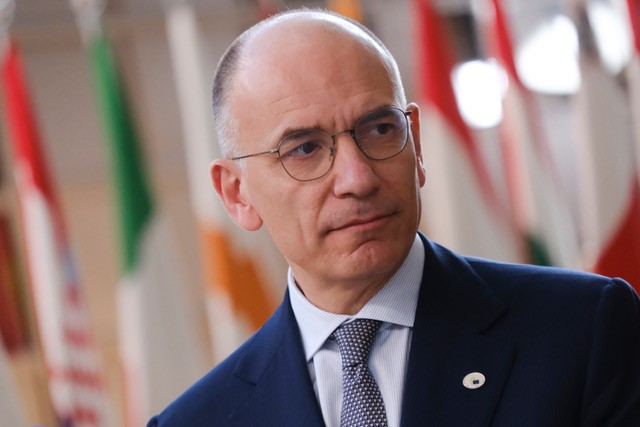
Lecture · VirtualEnrico Letta
“A World Without Multilateralism?” President, Delors Institute.
Chair
Martin Galstyan
Governor, Central Bank of Armenia

Martin Galstyan is the Governor of the Central Bank of Armenia from June 13, 2020. Previously, he served as a Board Member (2018–2020) and Director of the Dilijan Training and Research Center (2015–2018). He began his career at the Central Bank in 1998 and held several key positions, including Head of the Statistics Department, International Reserves Management Division and the Economic Statistics Development Division. He holds a Candidate of Economic Sciences degree from Yerevan State University and a Master of Public Administration from Harvard Kennedy School, and he is the author of numerous publications in economics and banking policy.

14:00 – 15:20
Session 5Fiscal Imbalances and Global Debt
Confronted with the COVID‑19 crisis and its aftermath, nearly all governments around the world engaged in significant fiscal expansions. Initially, amid expectations of “lower for longer” real interest rates and a robust economic recovery, such strategies appeared broadly sustainable. However, the rapid tightening of global monetary conditions in response to persistent inflationary pressures has sharply reduced fiscal space, pushing global debt into uncharted and increasingly risky territory. At the same time, ongoing economic headwinds and renewed political and geopolitical challenges are creating new demands for public spending and calls for fiscal restructuring. In a world increasingly shaped by deglobalization and a significant rupture in the international political order, large fiscal deficits and prospective debt buildup in advanced economies threaten to become a slow‑moving bomb for the stability of international financial system. How can governments balance the imperatives of growth, resilience, and debt sustainability especially as they confront simultaneous demands for investment in green transition, defense, and social protection? How can governments come to a shared understanding of the potential global consequences of insufficient fiscal discipline?
Chair
Chris Giles
Economics Commentator, Financial Times

Chris Giles has been at the forefront of analysis on the national and global economy for many years. He is the FT’s Economics Commentator. He writes a fortnightly column and the weekly newsletter, “Chris Giles on Central Banks.” Previously, he was Economics Editor and served as a leader writer. In 2023, he became an Honorary Professor of Practice at UCL Policy Lab.

During his tenure at the Financial Times he has been uniquely privileged in his access to the major facts in economics and his influence on their worldwide perception. Chris offers a clear view of today’s economy at any scale — be it the whole world, the UK or Europe.

Before the FT, he worked for the communications regulator Ofcom, reported for the BBC, and served for seven years as an economist with the Institute for Fiscal Studies.

He has been awarded the Royal Statistical Society’s prize for excellence in journalism in 2008 and 2012, Business Journalist of the Year in 2012, and the Senior Wincott Award for financial journalism in 2015 — the most prestigious UK prize in economics journalism.

  • Alexander Tieman
    Division Chief & Mission Chief Armenia, MCD, IMF

    Alexander F. Tieman is Division Chief in the IMF’s Middle East and Central Asia Department (MCD) and Mission Chief for Armenia. In this capacity he manages the IMF team analyzing the Armenian macroeconomy and IMF program, working with the authorities, international financial institutions, donors, and other stakeholders. In addition, Alexander leads MCD’s policy work on the Caucasus and Central Asia and on macroeconomic climate change policies, and works on various analytical projects. Alexander’s 20+ year experience at the IMF includes work on program and surveillance countries on macrofiscal issues, financial sector surveillance and stress testing, real sector developments, and a field assignment as IMF Resident Representative in Skopje, North Macedonia. Prior to joining the Fund in 2002, he lectured in microeconomics at the Vrije University and Tinbergen Institute in Amsterdam, the Netherlands and worked at the research department of the Dutch Central Bank. He has a Ph.D. in microeconomics from the Vrije University and Tinbergen Institute in the Netherlands.

  • Vahe Hovhannisyan
    Minister of Finance, Armenia

    Vahe Hovhannisyan has been serving as Minister of Finance of Armenia since 2022, after previously working as Deputy Minister. He has over 25 years of experience in international development and both public and private sector financial management. Earlier in his career, he served as Advisor to the Board of Directors at the Asian Development Bank.

  • Mitali Das
    Advisor, Fiscal Affairs Department, IMF

    Mitali Das is Advisor in the Fiscal Affairs Department of the International Monetary Fund (IMF) where she oversees the evaluation of policies conducted in the course of the IMF’s lending and surveillance. Prior to that, Ms. Das served as Chair of the IMF flagship publication External Sector Report, and in the Office of the Chief Economist.

    Before joining the IMF, Ms. Das held academic positions including as Associate Professor of Economics at Columbia University, Dartmouth College and the University of California at Davis, and was a postdoctoral fellow at Harvard. Ms. Das received her Ph.D. in Economics from the Massachusetts Institute of Technology (MIT).

  • Vache Gabrielyan
    Dean, Manoogian Simone College of Business and Economics, AUA

    Vache Gabrielyan is the Dean of the Manoogian Simone College of Business and Economics at American University of Armenia. He specializes in public administration and economics and earned his Ph.D. in Public Administration from Rutgers University. Gabrielyan previously served as Vice-Governor of the Central Bank of Armenia, Minister of Finance, Deputy Prime Minister of Armenia, and Minister of International Economic Integration and Reforms. He is also the author of numerous scientific publications in Armenia and abroad.

15:20 – 16:00
Coffee break
16:00 – 17:15
Special SessionCan Nations Agree? Cooperation in a non‑cooperative world
Chair
Martin Galstyan
Governor, Central Bank of Armenia

Martin Galstyan is the Governor of the Central Bank of Armenia from June 13, 2020. Previously, he served as a Board Member (2018–2020) and Director of the Dilijan Training and Research Center (2015–2018). He began his career at the Central Bank in 1998 and held several key positions, including Head of the Statistics Department, International Reserves Management Division and the Economic Statistics Development Division. He holds a Candidate of Economic Sciences degree from Yerevan State University and a Master of Public Administration from Harvard Kennedy School, and he is the author of numerous publications in economics and banking policy.

  • Harold James
    Perspective 1 · Professor of History, Princeton University

    Harold James, the Claude and Lore Kelly Professor in European Studies at Princeton University, is Professor of History and International Affairs at the School of Public and International Affairs (SPIA), and an associate at the Bendheim Center for Finance. His books include a study of the interwar depression in Germany, The German Slump (1986); International Monetary Cooperation Since Bretton Woods (1996), and The End of Globalization (2001). He was also coauthor of a history of Deutsche Bank (1995), which won the Financial Times Global Business Book Award in 1996.

    He has won the Helmut Schmidt and the Ludwig Erhard prizes. Recent books include: The Euro and the Battle of Economic Ideas (with Markus K. Brunnermeier and Jean-Pierre Landau, 2016); Making A Modern Central Bank: The Bank of England 1979–2003 (2020); The War of Words: A Glossary of Globalization (2021); Seven Crashes: The Economic Crises That Shaped Globalization (2023); The IMF and the European Debt Crisis (2024); and (with Marzenna James) The Zloty Odyssey: Polish Monetary History (2027). He writes a monthly column for Project Syndicate, and is currently working on a book titled Good as Gold: What Happens When We Reinvent Money.

  • Jeroen Clicq
    Perspective 2 · Executive Director, IMF

    Senior macro-economist with extensive experience in advising high-level policy makers on international economic, political, financial and supervisory issues.

    Mr. Clicq is a graduate of the College of Europe (Bruges; MA European Economic Studies) and the Vrije Universiteit of Brussel (MS Business Engineering).

    He started his career in 2004 with PensionsEurope — a Brussels-based organization representing funded pension providers in Europe. He joined the National Bank of Belgium in 2011 as advisor for international cooperation, conducting research on global economic developments and IMF policy issues.

    Between 2014 and 2018 Mr. Clicq was advisor in the Belgian-Dutch International Monetary Fund Constituency Office. Next, he worked for the National Bank of Belgium, conducting on-site inspections in the areas of market risk, risk management and governance.

    From January 2021 onwards Mr. Clicq served as macroeconomics advisor to the Prime Minister of Belgium. In this position, he also led the Belgian policy response on the windfall profits of immobilized Russian assets held by Euroclear for supporting Ukraine. As of November 1, 2024, Mr. Clicq serves as Executive Director of the International Monetary Fund on behalf of the Principality of Andorra, Armenia, Belgium, Bosnia and Herzegovina, Bulgaria, the Republic of Croatia, Cyprus, Georgia, Israel, Luxembourg, the Republic of North Macedonia, the Republic of Moldova, Montenegro, the Kingdom of the Netherlands, Romania, and Ukraine.

17:20 – 17:30
Closing
  • Martin Galstyan
    Governor, Central Bank of Armenia

    Martin Galstyan is the Governor of the Central Bank of Armenia from June 13, 2020. Previously, he served as a Board Member (2018–2020) and Director of the Dilijan Training and Research Center (2015–2018). He began his career at the Central Bank in 1998 and held several key positions, including Head of the Statistics Department, International Reserves Management Division and the Economic Statistics Development Division. He holds a Candidate of Economic Sciences degree from Yerevan State University and a Master of Public Administration from Harvard Kennedy School, and he is the author of numerous publications in economics and banking policy.

18:00
Dinner
Special Guests

Special guests.

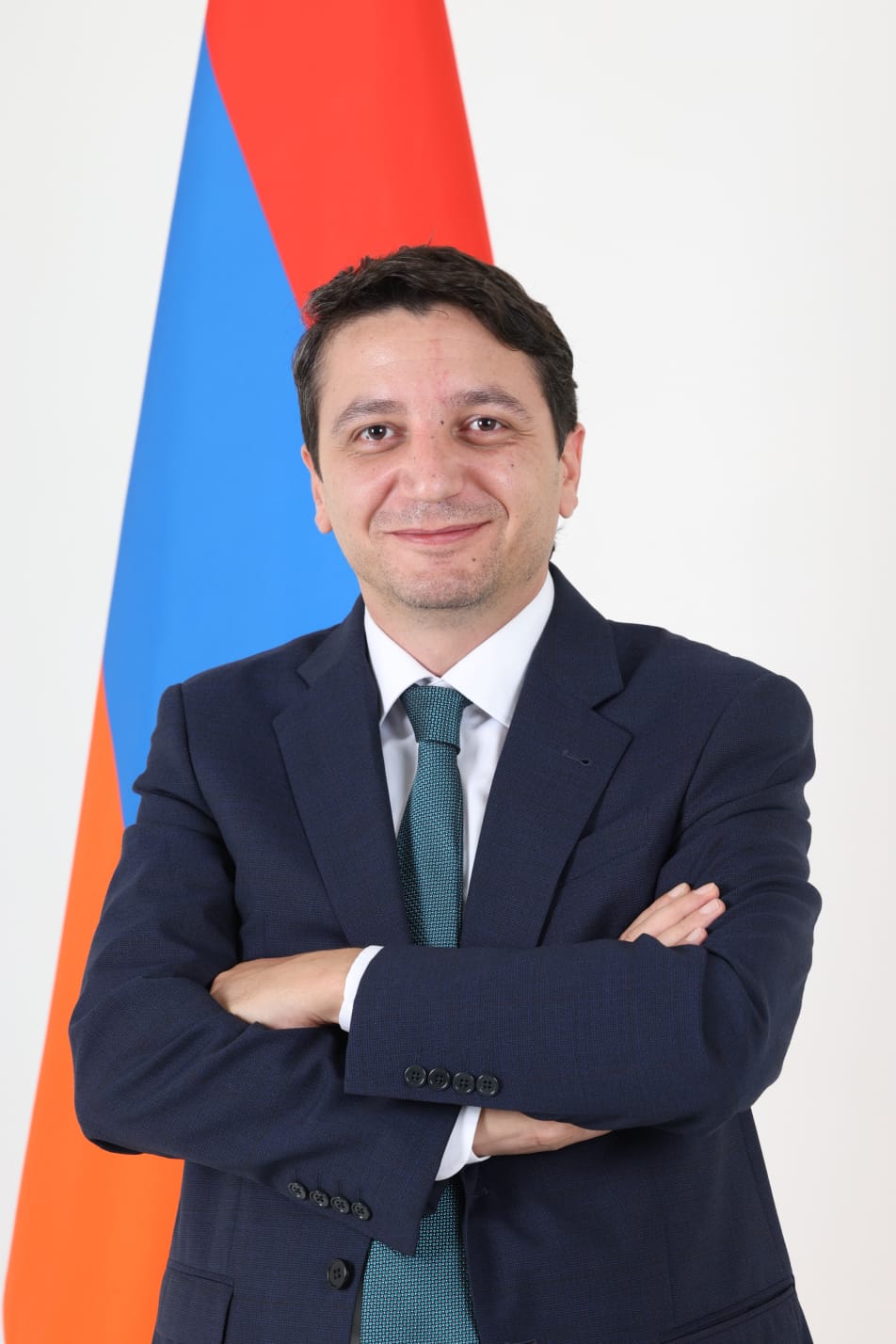
Vahagn Khachaturyan

Vahagn Khachaturyan

President of the Republic of Armenia
Read biography

Vahagn Khachaturyan is the President of the Republic of Armenia since 2022.

He graduated from the Yerevan Institute of National Economy with a degree in economics and began his professional career as an economist, subsequently holding senior positions in both industry and public administration.

In the early 1990s, he served as Mayor of Yerevan and later was elected to the National Assembly of Armenia, where he contributed extensively to financial and budgetary policy matters.

He subsequently served as Adviser to the President of Armenia and took part in a range of political and economic initiatives aimed at advancing national development. In 2021, he was appointed Minister of High-Tech Industry of the Republic of Armenia, prior to his election as President of the Republic of Armenia.

Enrico Letta

Enrico Letta

Former Prime Minister of Italy
President, Delors Institute
Read biography

Enrico Letta served as Prime Minister of Italy from 2013 to 2014. Currently, he is the Dean of the IE School of Politics, Economics, and Global Affairs at IE University, President of the Jacques Delors Institute and President of AREL. In September 2023 the European institutions tasked him with the elaboration of a Report on the Future of the Single Market. From March 2021 to February 2023, he was the National Secretary of the Democratic Party in Italy. Prior to that, from 2015 to 2021, he was Dean of the Paris School of International Affairs at Sciences Po Paris. In 2019, he was appointed President of the Association of Professional Schools of International Affairs (APSIA) for a two-year term. Earlier in his career, Letta served as Minister for EU Affairs (1998–1999), Minister for Industry, Trade and Crafts (2000), Minister for Industry and Foreign Trade (2000–2001), and Undersecretary of State to Prime Minister Romano Prodi (2006–2008).

Invited Participants

Invited participants.

01
Governors and senior officials from central banks.
02
Representatives of international organizations (IMF, BIS, World Bank, and others).
03
Academics from leading universities, including MIT, Harvard, Oxford, Yale, Stanford, UCL, the University of Chicago, etc.
04
International experts and practitioners from prominent research centers, policy institutions, and think tanks.